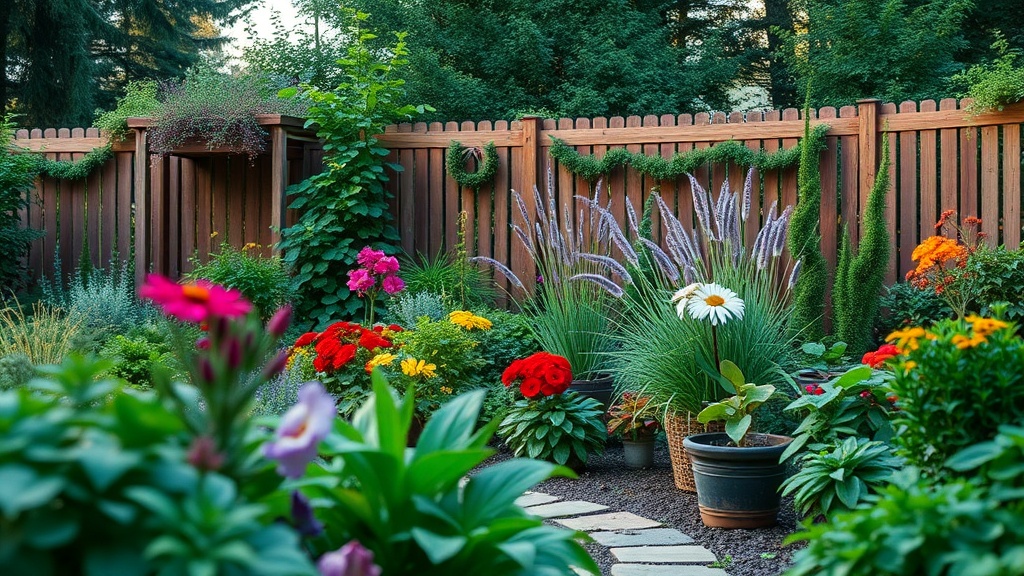
Ways to Build a Great Backyard Garden in Airdrie

This guide provides practical strategies for planning, planting, and maintaining a successful backyard garden specifically for the Airdrie, Alberta climate. You'll find details on soil preparation, choosing the right crops for our hardiness zone, and managing the unpredictable weather patterns common in Rocky View County. Growing food here requires a specific approach to handle our short growing season and high winds.
What is the best time to plant in Airdrie?
The best time to plant in Airdrie is typically from the last weekend in May through early June, once the danger of frost has passed. Because we are located in a high-altitude prairie region, our frost dates are much later than those in Vancouver or even Calgary. You shouldn't rush the process—waiting even a week can save your seedlings from a sudden May frost spike.
Local gardeners often watch the USDA Plant Hardiness Zone classifications, but for us, it's more about the local microclimate. Airdrie sits in a transition zone where the weather can flip from 20°C to a snowstorm in a single afternoon. (It happens more often than you'd think.)
Typical Planting Timeline for Airdrie:
- Late April/Early May: Start seeds indoors under grow lights.
- Mid-May: Direct sow hardy crops like peas, radishes, or kale if the soil is workable.
- Late May/Early June: Transplant tomatoes, peppers, and cucumbers once the ground stays warm.
- July/August: Focus on heavy watering and pest management during the dry spells.
If you're starting seeds indoors, I highly recommend using a dedicated heat mat. It keeps the soil temperature consistent, which is a struggle in many Alberta homes. You can find high-quality seed starting kits at local nurseries or even big-box stores like Home Depot or Canadian Tire.
How do I prepare my soil for Alberta's climate?
Preparing your soil involves testing your pH levels and adding organic matter to improve the texture of our heavy clay or sandy loam. Most backyard soil in Airdrie is quite alkaline and can be very dense, making it difficult for roots to penetrate without help.
First, get a soil test kit. You need to know if your ground is too acidic or too alkaline before you start dumping amendments into it. Once you have your results, you can decide if you need to add compost, peat moss, or lime. Adding compost is the single best thing you can do for your garden. It improves drainage in clay and helps retain moisture in sand.
A lot of people here use raised beds for a reason. They allow you to control the soil quality completely from day one. If your backyard has particularly stubborn clay, building a raised bed with a cedar frame and filling it with a high-quality mix from a local supplier is a smart move. It also helps with drainage during those heavy summer downpours.
Soil Amendment Comparison:
| Amendment | Best For... | Why It Works in Airdrie |
|---|---|---|
| Compost | General Soil Health | Adds much-needed organic matter and nutrients. |
| Perlite | Sandy/Light Soil | Increases aeration and drainage. |
| Peat Moss | Acidification/Moisture | Helps hold water during our dry July heat. |
| Manure | Nitrogen Boost | Provides a slow release of nutrients for heavy feeders. |
Which vegetables grow best in Airdrie?
Vegetables that thrive in Airdrie are those that can handle full sun and can mature quickly during our short, intense growing season. Root vegetables, leafy greens, and certain hardy perennials are your best bets for a reliable harvest.
If you want a high yield, focus on crops that don't require a massive amount of time to ripen. Tomatoes can be tricky if they aren't a "determinate" variety, as they might not finish before the first frost hits in September. I've had great luck with bush varieties that stay compact and productive.
Here are some reliable options for our region:
- Root Crops: Carrots, beets, and radishes love our cool spring soil.
- Leafy Greens: Lettuce, spinach, and kale can even handle a light frost, which makes them very forgiving.
- Summer Staples: Zucchini and cucumbers do well if they get enough heat and water.
- Hardy Herbs: Chives, mint, and rosemary (if protected) are quite resilient.
Don't forget about the wind. Airdrie can get quite gusty, especially in open neighborhoods. If you're growing taller plants like corn or pole beans, you'll need to provide some sort of support or a windbreak. A simple trellis or even a small fence can make a huge difference in keeping your plants from snapping.
How much water does a garden need in Alberta?
A garden in Airdrie needs deep, consistent watering—ideally at the base of the plant—to combat the high evaporation rates and dry air. Because our air is so dry, the top inch of soil can dry out in just a few hours of direct sun.
The most efficient way to water is using a drip irrigation system or a soaker hose. This delivers water directly to the roots and minimizes evaporation. If you're using a traditional hose, try to water in the early morning. This allows the plants to hydrate before the heat of the day hits, but it also ensures the leaves dry off, which prevents fungal issues.
Avoid watering in the evening if possible. While it seems intuitive to water when it's cool, leaving the foliage wet overnight in our climate can lead to mold and disease. It's better to get the water down deep and get it done early. If you see your plants wilting in the afternoon, don't panic—they might just be heat-stressed, but a deep soak the next morning is usually the best fix.
One thing to note: many of our local municipal water restrictions can change during a drought. Always check with the City of Airdrie official website for current water usage guidelines before you invest in a massive irrigation setup. You don't want to be caught with a huge garden and no permission to water it during a heatwave.
If you're looking for ways to spend time outdoors when you aren't tending to your plants, you might enjoy exploring the local parks. There are many great spots for a family picnic near Airdrie that offer a nice change of pace from the backyard work.
Gardening in Airdrie is a bit of a balancing act. You're constantly fighting the wind, the heat, and the short window of perfect weather. But when that first harvest of homegrown tomatoes or crisp radishes comes in, the effort feels worth it. Just keep an eye on the forecast, watch your soil, and don't be afraid to start small.
Steps
- 1
Test Your Soil Type
- 2
Pick the Right Planting Date
- 3
Select Heat-Tolerant Varieties
- 4
Install a Local Irrigation System