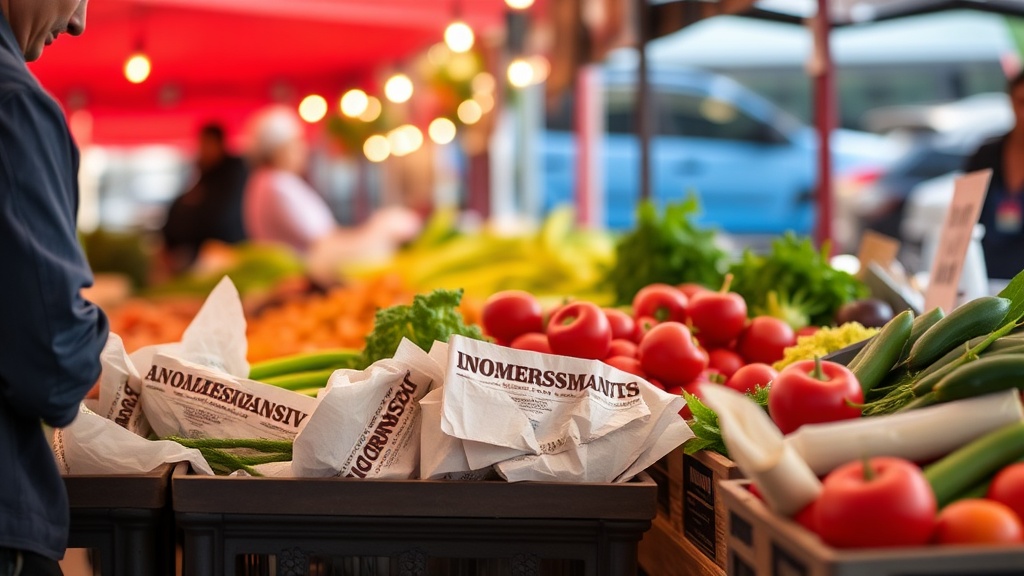
Seasonal Flavors at Airdrie Farmers Markets

Many people assume that shopping at a farmers market is just a way to buy overpriced organic kale or a decorative jar of honey. That’s a mistake. In Airdrie, seasonal markets are actually a strategic way to secure high-quality, nutrient-dense food that hasn't spent a week in a shipping container. This post explores how the seasonal shifts in Alberta dictate what you find at our local markets, how to time your visits for the best produce, and why buying local actually changes the flavor of your kitchen.
Airdrie’s market scene isn't just a hobby for local growers; it's a lifeline for the community's food security. When the weather shifts, the inventory shifts. You aren't just buying food; you're buying the result of a specific growing season in the Bow Valley region.
What is in Season at Airdrie Farmers Markets?
The availability of produce depends entirely on the Alberta growing season, which is relatively short and intense. Unlike the grocery store, where you see strawberries in January, the Airdrie market follows the real clock of nature. You'll find a distinct split between the high-summer harvest and the late-autumn storage crops.
During the peak summer months (July through August), the markets are flooded with stone fruits, berries, and leafy greens. This is the time to stock up on things like highbush blueberries and snap peas. The heat in Alberta during July can be brutal, which actually helps certain vegetables develop higher sugar content.
As we move into September and October, the focus shifts to hardy vegetables. You'll see more root vegetables, squash, and potatoes. These are the items that can survive our first frost. If you're looking for something to keep in your pantry through the winter, this is your window.
A Seasonal Cheat Sheet:
| Season | Primary Produce | Best For... |
|---|---|---|
| Late Spring/Early Summer | Salad greens, Radishes, Herbs | Fresh salads and light lunches |
| Peak Summer | Berries, Tomatoes, Zucchini, Peaches | Grilling and summer desserts |
| Late Summer/Early Fall | Squash, Pumpkins, Apples, Root Veg | Roasting and hearty stews |
| Late Fall | Potatoes, Onions, Garlic, Hard Squash | Long-term pantry storage |
It’s worth noting that much of what you see isn't just "local"—it's often grown in the specialized microclimates of Southern Alberta. This is why the flavor profiles are so different from the stuff shipped from California or Mexico.
How Much Does Local Produce Cost?
Prices at local markets vary based on current crop yields and transportation costs, but you'll often find that specialty items are priced competitively with high-end grocery stores. While a head of lettuce might seem more expensive than a generic bag from a big-box retailer, the shelf life and flavor density often justify the cost.
One thing to keep in mind: buying in bulk during peak season is your best money-saving tactic. If a vendor has a massive surplus of berries or tomatoes, they'll often offer a lower price per pound. This is also a great time to practice food preservation. If you're into canning or freezing, the markets are a goldmine.
I’ve found that if I buy my heavy-duty staples—like onions and potatoes—during the fall market runs, I end up spending much less over the course of a year. It’s a smarter way to manage a household budget in a city where grocery prices can be unpredictable. If you're interested in growing your own to save even more, check out these ways to build a great backyard garden in Airdrie.
Don't forget to bring cash. While many vendors are moving toward digital payments, a lot of the smaller-scale farmers still prefer or rely on cash transactions for speed and simplicity. It's a minor detail, but it can ruin your morning if you show up empty-handed.
Why Should I Buy Local Instead of Grocery Stores?
Buying local ensures that your money stays within the Alberta economy and supports the specific agricultural needs of our region. When you buy from a farmer in the Airdrie area, you're essentially investing in the resilience of our local food system.
The primary reason is flavor. Produce grown in a controlled environment under artificial light often lacks the nutrient density of produce grown in real soil under the Alberta sun. When a tomato is picked at its peak ripeness and sold to you the same day, the difference is night and day. You'll notice it in the acidity, the sweetness, and the texture.
There are a few other non-food reasons to shop the markets too:
- Reduced Carbon Footprint: Less transportation means fewer emissions.
- Transparency: You can actually talk to the person who grew your food.
- Community: It's a social hub for the city.
- Variety: You'll find heirloom varieties of vegetables that aren't commercially viable for large-scale shipping.
The definition of a farmers market often focuses on the sale of agricultural products, but for us, it's also about the artisan goods. You'll see makers selling everything from handmade soaps to artisanal sourdough. It’s a much more curated experience than wandering the aisles of a generic supermarket.
How to Find the Best Seasonal Goods
The best way to find top-tier produce is to arrive early and observe the vendor layouts. The most successful vendors—the ones who have the freshest stock—usually have the most organized and visually appealing displays.
Don't be afraid to ask questions. If you aren't sure how to cook a specific type of squash or how to store certain herbs, just ask. Most farmers are incredibly knowledgeable and happy to share their expertise. This is a huge advantage over the sterile environment of a grocery store where the "help" might not even know what a radicchio is.
If you're planning a weekend outing, consider pairing your market trip with a trip to a local park. After you've grabbed your fresh berries and bread, you might want to head over to one of the local green spaces. For ideas on where to go, see my guide on the best spots for a family picnic near Airdrie parks. It makes the whole experience feel more like an event than a chore.
A quick tip for the winter months: even when the outdoor markets slow down, many of the local producers still supply local shops and restaurants. This keeps the connection between the farm and the table alive even when the snow is flying. It's a cycle that keeps our community fed and our economy moving.
When you're out there, look for the small signs of quality. A slightly bruised peach might actually be sweeter than a perfect-looking one from a plastic container. Trust your senses. The smell of fresh basil or the weight of a heavy potato tells you more than a label ever will.
If you want to get the most out of your local shopping, keep an eye on the weather. A sudden frost or a heavy rainstorm can change what's available at the market overnight. Being an informed shopper means being a bit of an observer.
The local food scene in Airdrie is constantly evolving. As our community grows, so does the variety of products available. What's a niche item one year might be a staple the next. Stay curious and keep looking for those seasonal gems.